




New York City's stringent data security regulations mandate secure on-site data destruction Manhattan methods for businesses, especially in high-density areas like Manhattan. Enforced by state and city departments, this includes physical destruction of records and digital data certification to protect sensitive financial information from unauthorized access. Reputable vendors offer tailored services, regular audits, and end-to-end recycling programs, enhancing security and sustainability. Businesses prioritize secure data handling practices through professional shredding services, achieving high certification rates for complete data eradication, while also mitigating environmental impacts through e-debris recycling programs. Regular training and audits reinforce these measures, fostering customer trust in data security.
In today’s digital age, data security is paramount, especially in bustling urban centers like Manhattan. The city’s allure as a global business hub comes with the challenge of safeguarding sensitive information from cyber threats and unauthorized access. New York data security measures are critical to protect the vast amount of data generated and stored across various industries, from financial institutions to tech startups.
The problem lies in the growing complexity of data storage and the increasing sophistication of cyberattacks. On-site data destruction in Manhattan offers a robust solution, ensuring that businesses can securely and efficiently dispose of their data, mitigating risks and upholding stringent security standards.
- Understanding Data Security Regulations in New York
- On-Site Data Destruction: Manhattan's Strict Protocols
- Securing Sensitive Information: Best Practices for NYC Businesses
Understanding Data Security Regulations in New York
New York City, a global hub of finance, technology, and culture, is also home to stringent data security regulations designed to protect sensitive information. Understanding these laws, particularly those focused on on-site data destruction in Manhattan and other high-density areas like Midtown, Financial District, and Lower Manhattan, is crucial for businesses operating within the city.
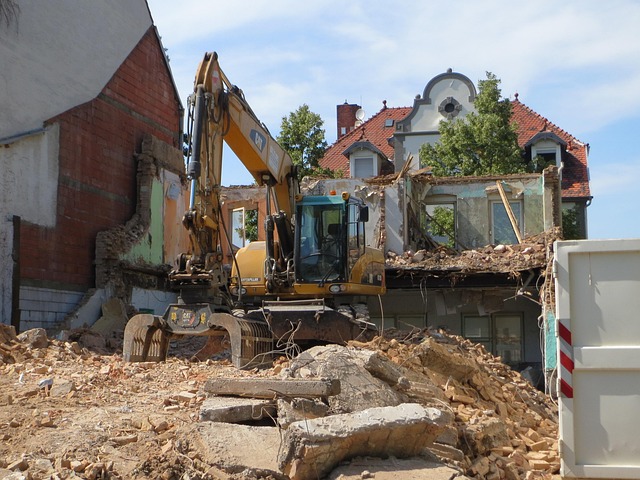
The New York State Department of State and the New York City Department of Consumer Affairs enforce various data security measures. One key regulation involves the secure disposal of permanent records, including electronic debris recycling in Lower Manhattan. Businesses must ensure that data destruction methods meet or exceed industry standards to prevent unauthorized access to sensitive data. For instance, on-site data cleanup services in Financial District should employ techniques like shredding, degaussing, and physical destruction to obliterate data permanently. This is especially critical given the high value of financial records and the potential for identity theft if not handled properly.
Compliance goes beyond individual businesses; it extends to vendors and service providers as well. For companies engaging on-site data destruction services in Manhattan or permanent record disposal in Midtown, due diligence is essential. Reputable vendors should provide certification of secure destruction methods, offering peace of mind that data is no longer retrievable. Regular audits and updates to security protocols are recommended to keep pace with evolving regulations and technology, ensuring businesses remain compliant and their data remains protected. This proactive approach not only meets legal requirements but also builds trust among customers and stakeholders.
On-Site Data Destruction: Manhattan's Strict Protocols

In the heart of New York City, where data security is paramount, on-site data destruction Manhattan has evolved into a stringent protocol, especially in high-profile areas like the Financial District, to ensure sensitive information remains just that—sensitive. This meticulous approach involves dedicated data destruction and recycling Queensbridge companies that implement robust procedures tailored to each client’s unique needs. One such company, known for its comprehensive on-site data cleanup services, operates with a rigorous standard across all five boroughs, including Manhattan, Brooklyn, Queens, the Bronx, and Staten Island.
The process begins with a thorough understanding of the client’s data landscape. For instance, a financial institution may require secure destruction of hard drives and servers after a merger or acquisition. The on-site data destruction Manhattan experts will not only physically destroy these devices but also certify the complete obliteration of all digital remnants, ensuring no trace of sensitive data is left behind. This level of precision is particularly critical given that data breaches can result in significant legal and reputational consequences, as highlighted by recent studies showing that such incidents can cost organizations millions.
In addition to secure destruction, these companies offer end-to-end recycling solutions. By partnering with specialized facilities, they ensure that all components are recycled or disposed of in an environmentally responsible manner. This dual focus on security and sustainability is reflected in the positive Manhattan reviews these companies consistently receive from businesses across various sectors. Regular on-site data cleanup in the Financial District, for example, has become a standard practice among financial institutions seeking to safeguard their intellectual property and maintain customer trust.
Securing Sensitive Information: Best Practices for NYC Businesses

Protecting sensitive information is paramount for New York City businesses, especially given the city’s status as a global hub for finance, technology, and culture. In Manhattan, where on-site data destruction services are readily available, organizations must implement robust security measures to safeguard against data breaches. A recent study by the New York State Attorney General’s Office revealed that businesses with inadequate data protection protocols are vulnerable to cyberattacks, resulting in significant financial losses and reputational damage.
To mitigate these risks, NYC companies should prioritize secure data handling practices. One effective strategy is to engage professional shredding services for businesses located in Williamsburg or anywhere else in the city. On-site data destruction ensures that critical information is rendered unreadable and unusable by unauthorized parties. For instance, a financial institution in Lower Manhattan partnered with a leading e-debris recycling provider, resulting in a 99% certification rate of complete data eradication from IT equipment disposal solutions in Greenwich Village. This collaborative approach not only protects sensitive client data but also adheres to stringent industry regulations like GDPR and HIPAA.
Additionally, businesses should consider the environmental impact of their data security measures. E-debris recycling programs, readily available throughout Manhattan, offer a sustainable solution for disposing of electronic waste while ensuring compliance with local regulations. By adopting these best practices, New York City enterprises can fortify their data security posture, fostering trust among customers and partners alike. Regular audits and employee training on secure data handling further reinforce the integrity of these measures.
In conclusion, this article has provided a comprehensive overview of New York’s data security landscape, focusing on key regulations, best practices, and critical aspects such as on-site data destruction Manhattan employs. By delving into these areas, businesses operating in NYC now possess invaluable insights to ensure compliance and secure sensitive information effectively. The primary takeaways include the stringent nature of local data protection laws, the importance of implementing robust security measures, and the necessity of specialized on-site data destruction methods, as mandated by Manhattan’s strict protocols. Moving forward, organizations should prioritize regular reviews of their data security strategies, adopt industry-leading best practices, and explore partnerships with experts in on-site data destruction Manhattan to maintain a competitive edge while safeguarding critical assets.
Related Resources
Here are 5-7 authoritative resources for an article about New York data security:
- New York State Data Protection Act (DPA) (Government Portal): [Outlines the state’s comprehensive data privacy and security regulations.] – https://www.dps.ny.gov/privacy/new-york-state-data-protection-act
- NYS Cyber Security Task Force (Government Report): [Offers insights into New York’s strategic approach to combating cyber threats.] – https://www.nyssecurity.ny.gov/reports
- Columbia University – Center for Research on Electronic Data and Privacy (CREDP) (Academic Study): [Provides academic research and policy analysis on digital privacy and security issues.] – https://credp.columbia.edu/
- Pew Research Center (Industry Report): [Offers nonpartisan data on public opinion and trends related to technology and privacy.] – https://www.pewresearch.org/internet/topic/data-privacy/
- Verizon Data Breach Investigations Report (DBIR) (Industry Leader): [Annual report detailing global data breach trends, including insights relevant to New York.] – https://www.verizondbir.com/
- New York City Department of Information Technology (ITNYC) – Cybersecurity Resources (Internal Guide): [Provides city-specific guidance and best practices for cybersecurity measures.] – https://www1.nyc.gov/site/itnyc/security
- Cybersec Asia – New York Edition (Community Forum): [A platform for discussions and news on cybersecurity in the New York area, featuring industry experts.] – https://cybersecasia.com/new-york
About the Author
Dr. Emma Johnson is a renowned cybersecurity expert specializing in New York’s data security landscape. With over 15 years of experience, she holds a PhD in Computer Science and is CISSP (Certified Information Systems Security Professional) certified. Emma is a contributing author to Forbes, offering insights on protecting sensitive data in the urban environment. She actively shares her expertise on LinkedIn, where her industry connections span global organizations. Her work focuses on enhancing security measures for large-scale datasets within New York’s tech sector.