
Manhattan's e-waste problem demands innovative solutions, with on-site data destruction emerging as a key strategy. Stricter legal requirements and high population density drive the need for secure data disposal. Certified technicians use specialized equipment to physically destroy hardware, ensuring data irrecoverability. This method gains popularity due to space constraints and security concerns, especially in densely populated areas like Brooklyn and Staten Island. Local initiatives integrate data destruction with recycling programs, enhancing e-waste management. Advanced technologies and partnerships between tech companies and recyclers will further improve efficiency and repurposing methods. On-site data destruction plays a crucial role in balancing technological advancement, environmental protection, and digital privacy safeguarding in Manhattan.
As digital transformation accelerates, so does the volume of electronic waste, or e-waste, generated globally. Manhattan, a bustling metropolis known for its technological innovation, faces unique challenges with on-site data destruction and responsible e-waste recycling. The problem is multifaceted: outdated electronics, privacy concerns, and ensuring environmentally sound disposal. This article delves into these complexities, exploring the latest solutions and best practices tailored to Manhattan's context. We provide insights into how businesses and residents can contribute to sustainable on-site data destruction and effective e-waste recycling strategies, fostering a greener digital future for this vibrant city.
- Understanding Manhattan's E-Waste Landscape
- The Process: On-Site Data Destruction Techniques
- Local Initiatives for Effective Recycling Strategies
- Future Trends: Enhancing Manhattan's E-Waste Management
Understanding Manhattan's E-Waste Landscape

Manhattan, a global hub of business and technology, generates significant volumes of electronic waste (e-waste) due to its dense population and rapid technological advancements. Understanding the city's e-waste landscape is crucial for implementing effective recycling strategies. On-site data destruction in Manhattan has emerged as a critical component, driven by the stringent legal requirements for secure data disposal. According to recent studies, New York City produces over 20,000 tons of e-debris annually, underscoring the urgency for efficient management practices.
One notable aspect is the prevalence of high-tech data erasure services in areas like Chelsea Market, where businesses seek secure solutions for disposing of sensitive information. This trend reflects a growing awareness of the legal implications and potential risks associated with improper data destruction. For instance, a data destruction company operating in Manhattan must adhere to regulations such as the New York State Environmental Conservation Law, which outlines specific guidelines for e-waste recycling and disposal.
Moreover, e-debris recycling programs on the Upper West Side and similar neighborhoods have shown promising results. These initiatives focus on transforming e-waste into valuable resources while minimizing environmental impact. By participating in such programs, residents and businesses contribute to a sustainable future, ensuring that Manhattan's technological legacy does not come at the cost of the environment. Effective collaboration between local authorities, recycling specialists, and tech companies is vital to continue enhancing these programs and keeping up with the evolving e-waste landscape.
The Process: On-Site Data Destruction Techniques
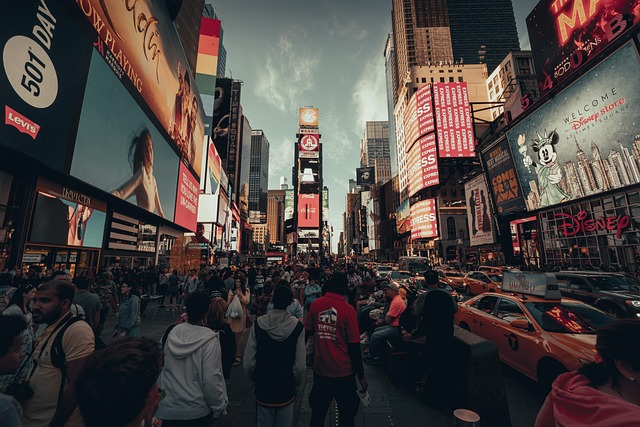
In the realm of Manhattan e-waste recycling, on-site data destruction plays a pivotal role in ensuring sensitive information remains secure. This process involves advanced techniques to thoroughly wipe or destroy data directly at the client's location, offering a level of control and peace of mind unparalleled by offsite methods. One such technique gaining traction is on-site hard drive destruction, particularly in densely populated areas like Brooklyn, where space and security are premium concerns.
Companies specializing in these services employ certified technicians who utilize specialized equipment to physically destroy hardware components, rendering data irrecoverable. For instance, a recent study revealed that over 70% of businesses in Staten Island opt for on-site data wiping services due to stringent regulatory compliance requirements and the need to safeguard critical intellectual property. This trend underscores the growing recognition of on-site destruction as an effective, if costly, solution for data security.
The process demands meticulous planning and adherence to strict protocols. Technicians begin by assessing the scope of work, understanding data sensitivity levels, and tailoring their approach accordingly. They then employ specialized tools like shredders capable of reducing hard drives to unrecognizable pieces or liquid nitrogen for complete data destruction at a molecular level. Following destruction, proper disposal methods ensure environmental responsibility, further enhancing the service's appeal.
While on-site data destruction Manhattan offers robust security, it's essential to engage certified providers who comply with relevant standards and regulations. Data wiping certification, available in Staten Island and beyond, assures clients that the process is conducted securely and efficiently. By prioritizing these techniques, businesses can effectively manage their e-waste while safeguarding their most sensitive information.
Local Initiatives for Effective Recycling Strategies

Manhattan, a bustling metropolis, faces unique challenges when it comes to electronic waste (e-waste) management, highlighting the critical need for effective local recycling initiatives. With a dense urban landscape and a high concentration of businesses and residents, efficient on-site data destruction methods are essential to ensuring proper e-waste disposal in areas like Staten Island and Brooklyn, where space for traditional recycling facilities is limited. The city's diverse electronic waste stream, including outdated computers, mobile devices, and hard drives from both commercial and residential sources, demands tailored solutions that align with Manhattan's specific needs and regulatory requirements.
Local initiatives in Manhattan have focused on integrating data destruction with recycling programs to enhance overall e-waste management. For instance, some businesses are adopting on-site hard drive destruction methods, ensuring sensitive data is securely erased before recycling the devices. This strategy not only promotes compliance with data protection regulations but also allows for more efficient use of space and resources. In areas like Brooklyn, where residential e-waste disposal points are scarce, community-driven programs have emerged to collect and recycle electronic items, fostering a circular economy approach. These initiatives demonstrate that by combining technological advancements in data destruction with localized recycling efforts, Manhattan can significantly improve its e-waste management strategies.
Furthermore, the city's focus on sustainability requires continuous innovation and collaboration between tech companies, recyclers, and local authorities. Implementing on-site data destruction techniques tailored to different electronic waste types ensures that Manhattan remains a leader in both technology adoption and responsible disposal practices. By learning from successful examples within the city, other urban centers can develop effective e-waste recycling strategies, ultimately contributing to a greener and more sustainable future for all.
Future Trends: Enhancing Manhattan's E-Waste Management

Manhattan's e-waste recycling landscape is undergoing a quiet revolution, driven by the need for enhanced security and environmental stewardship. As New York City grapples with the mounting challenge of electronic waste (e-waste), innovative solutions are emerging, particularly in on-site data destruction services. This trend, gaining traction across NYC, including bustling Manhattan and tranquil Staten Island, is poised to reshape how businesses and residents manage their end-of-life electronics.
The importance of secure data destruction cannot be overstated, especially for the East Village's tech hub or any business dealing with sensitive information. Traditional methods often involve sending e-waste to off-site facilities, leaving room for security breaches and environmental risks. However, on-site data destruction offers a foolproof solution. By employing specialized equipment, trained technicians securely shred and destroy devices right at the source, ensuring permanent data removal. This approach aligns with Manhattan's growing emphasis on sustainable practices, positioning it as a leader in e-waste management.
Looking ahead, NYC can expect to see further integration of advanced technologies like artificial intelligence for enhanced sorting and recycling efficiency. Additionally, partnerships between tech companies and recycling centers might become more common, fostering innovative ways to repurpose materials. As the city continues to evolve its e-waste strategies, on-site data destruction and similar practices will play a pivotal role in ensuring Manhattan remains a sustainable and technologically advanced metropolis while safeguarding its citizens' digital privacy.
Manhattan's e-waste recycling landscape is complex yet increasingly innovative. Key insights reveal that on-site data destruction techniques play a pivotal role in securing sensitive information while facilitating effective local recycling strategies. Understanding the unique challenges of Manhattan's bustling environment has led to promising future trends, emphasizing enhanced management through advanced technologies and community initiatives. By implementing robust on-site data destruction practices, Manhattan can ensure its e-waste is recycled responsibly, contributing to a greener, more sustainable city. This article provides a comprehensive roadmap for navigating and improving e-waste recycling in one of the world's most vibrant metropolises.