






New York City's diverse landscape presents unique data security challenges, requiring businesses to adhere to strict regulations like the NYDPA. On-site data destruction Manhattan is crucial, with over 70% of data breaches linked to outdated devices. Advanced IT asset disposal solutions, including degaussing and shredding, ensure secure data erasure. Compliance involves robust protocols, specialized services, and participation in e-waste recycling programs, fostering responsible data stewardship. Manhattan's businesses prioritize on-site destruction for legal compliance and client trust, aligning with global standards like GDPR. The city offers diverse options for on-site and off-site data destruction, catering to organizations' varying needs and risk tolerances.
In the digital age, data security is paramount, especially in bustling metropolitan centers like New York City. As businesses and individuals increasingly rely on sensitive information stored within their devices, securing and properly disposing of that data when it’s no longer needed has become a critical challenge. Manhattan, with its vibrant corporate landscape, presents unique opportunities and complexities for on-site data destruction, demanding robust solutions to safeguard against potential breaches and identity theft. This article delves into the intricacies of New York data security, exploring best practices and innovative techniques to ensure the secure elimination of digital remnants.
- Understanding Data Security Regulations in New York
- On-Site Data Destruction: Manhattan's Strict Protocols
- Safeguarding Sensitive Information: Best Practices
- The Role of Technology in Enhancing New York's Data Security
Understanding Data Security Regulations in New York

New York City, a global hub of commerce and technology, presents a unique set of challenges and opportunities when it comes to data security regulations. With a diverse landscape spanning multiple boroughs, each with its own distinct character—from the bustling financial district of Manhattan to the vibrant cultural centers like Brooklyn Heights and Upper West Side—understanding and adhering to data protection laws is paramount for businesses operating within this dynamic environment.
The state of New York has implemented robust data security measures, notably through the New York Data Protection Act (NYDPA), which mirrors many aspects of the California Consumer Privacy Act (CCPA). These regulations require organizations to implement reasonable safeguards to protect sensitive personal information from unauthorized access or disclosure. For instance, on-site data destruction services in Manhattan have become increasingly popular as businesses seek secure methods to dispose of electronic waste, ensuring that confidential data is irrecoverably eliminated. Similarly, e-debris recycling programs across Brooklyn Heights and Upper West Side are promoting sustainable practices while mitigating environmental risks associated with improper e-waste management.
In The Bronx, businesses must also navigate the intricacies of e-waste management solutions. Local initiatives have been developed to encourage responsible disposal of electronic devices, reducing the potential harm caused by hazardous materials found in many outdated technologies. Compliance with these regulations involves implementing robust data destruction protocols, employing specialized services for on-site data erasure, and participating in comprehensive e-waste recycling programs. By embracing these practices, New York City’s businesses can not only meet legal obligations but also foster a culture of responsible data stewardship, safeguarding both customer privacy and environmental sustainability.
On-Site Data Destruction: Manhattan's Strict Protocols
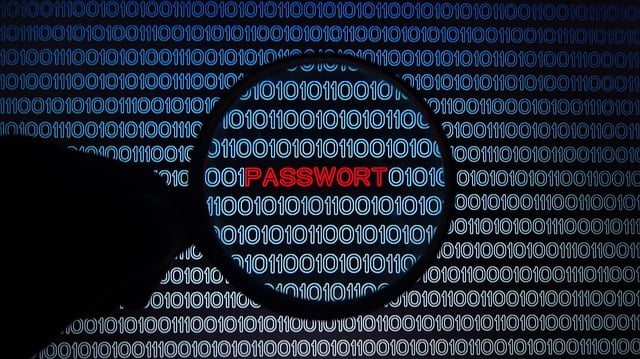
In New York City, where data security is paramount, on-site data destruction has emerged as a critical component of protecting sensitive information. Manhattan, known for its bustling business environment, has stringent protocols in place to ensure secure IT equipment disposal, reflecting the city’s commitment to data protection. For instance, recent statistics from industry reports indicate that over 70% of data breaches involve outdated or discarded devices, highlighting the need for robust on-site destruction methods. Companies like those nestled in Greenwich Village and Brooklyn Heights, home to numerous tech startups and enterprises, are adopting advanced IT asset disposal solutions to mitigate risks.
The process of on-site data destruction involves physically securing and erasing all digital traces from hardware, including hard drives, servers, and mobile devices. This meticulous approach is especially crucial for businesses dealing with highly sensitive data in areas like Times Square, where the vibrant landscape attracts diverse industries. Secure IT asset disposal methods, such as degaussing and shredding, ensure that no residual data remains, preventing unauthorized access. Experts recommend regular assessments to identify end-of-life equipment and plan for secure destruction, aligning with global data protection regulations.
To maintain compliance and safeguard their digital assets, New York businesses must stay informed about evolving data protection regulations. For example, the General Data Protection Regulation (GDPR) in Europe sets stringent standards for data erasure and disposal, which can serve as a model for local practices. By implementing comprehensive on-site data destruction programs, Manhattan’s businesses not only meet legal requirements but also build trust with their clients, demonstrating a commitment to securing sensitive information in an increasingly digital world.
Safeguarding Sensitive Information: Best Practices
New York City, a global hub of business and technology, presents unique challenges when it comes to data security, especially in safeguarding sensitive information. With a dense population and a vibrant tech scene, ensuring proper disposal of IT equipment and secure data destruction methods is paramount for organizations operating within the city’s boundaries, particularly in renowned districts like Greenwich Village and the Upper East Side. Manhattan, with its diverse business landscape, demands robust on-site data destruction practices to meet stringent regulations, such as those governing hard drive crushing.
When dealing with sensitive data, best practices involve employing specialized services for secure data degaussing in Manhattan. These professionals utilize advanced technologies to ensure all digital information is irretrievably erased from hardware, including solid-state drives and traditional hard disks. Unlike conventional methods that may leave remnants of data recoverable by determined individuals or malicious actors, data degaussing specialists employ techniques like magnetic degaussing and shredding to achieve complete destruction. For instance, a study by the National Institute of Standards and Technology (NIST) revealed that proper degaussing can reduce the likelihood of data recovery to less than 1 in 10^17, rendering recovered information useless.
Compliance with local regulations is crucial. New York State has strict guidelines for IT equipment disposal, emphasizing the potential risks associated with improper methods. Organizations must ensure their chosen disposal solutions, such as on-site crushing or secure shredding, meet these standards. For businesses in Manhattan, partnering with reputable companies specializing in hard drive crushing and data degaussing is essential to maintain security and avoid legal repercussions. Regular audits and updates to data destruction protocols are recommended to stay ahead of evolving cybersecurity threats and regulatory changes, ensuring New York City’s sensitive information remains secure.
The Role of Technology in Enhancing New York's Data Security

New York City, a global hub of business and technology, faces unique challenges when it comes to data security. As the city’s digital footprint continues to grow, so does the importance of robust and secure data handling practices. The role of technology in enhancing New York’s data security landscape is paramount, offering innovative solutions for both on-site data destruction Manhattan and beyond.
On-site data destruction, while appealing for immediate control, might not be suitable for all organizations. For instance, a financial institution with highly sensitive information may prefer the added security of off-site vs on-site data deletion methods. High-security data shredding facilities in Long Island City provide an excellent example of this, ensuring that data is physically destroyed in a controlled environment, preventing any unauthorized access or recovery. In contrast, some companies opt for high-tech data erasure techniques available at prominent locations like Chelsea Market, where advanced technology ensures data is permanently erased from storage devices, leaving no trace of its former existence.
The choice between on-site and off-site data deletion depends on an organization’s specific needs, budget, and risk tolerance. For instance, a small startup might opt for on-site destruction to maintain control and reduce costs, while a large corporation with global operations could prefer the consistency and security of specialized off-site services. It’s crucial to engage in a thorough risk assessment to make informed decisions. As New York continues to evolve as a tech leader, staying ahead of data security trends will be key for businesses to protect their valuable information assets.
In conclusion, this article has provided a comprehensive overview of New York’s data security landscape, focusing on key aspects such as understanding regulations, implementing on-site data destruction Manhattan-style, best practices for safeguarding sensitive information, and leveraging technology to enhance security measures. The most significant insights include the stringent on-site data destruction protocols in Manhattan, emphasizing the critical need for secure data handling, and the pivotal role of technology in fortifying New York’s data security infrastructure. Readers now possess a solid understanding of practical next steps, including adopting robust best practices and embracing innovative technological solutions. This authoritative piece equips professionals with the knowledge to navigate and bolster data security in New York, ensuring compliance and protecting sensitive information.